
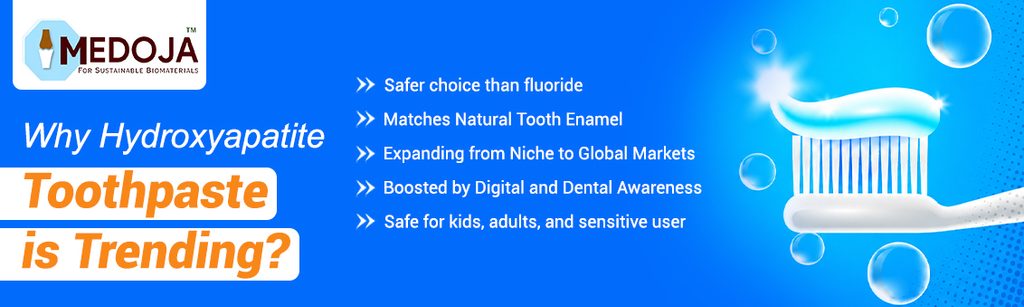
Why Hydroxyapatite Toothpaste is Trending in Oral
In recent years, oral care has seen a significant transformation. While fluoride has long been the gold standard in toothpaste formulations, a new contender is making waves in the dental world: hydroxyapatite toothpaste. What was once a niche ingredient has now become a trending solution in oral care, gaining attention from dentists, researchers, and health-conscious consumers alike. From its natural compatibility with tooth enamel to its impressive list of benefits, hydroxyapatite toothpaste is reshaping the way people view daily dental care.
What is Hydroxyapatite?
Hydroxyapatite is a naturally occurring mineral form of calcium apatite, and it makes up nearly 97% of tooth enamel and 70% of dentin. In simple terms, it’s the very substance that gives our teeth their hardness and strength. Unlike fluoride, which works by strengthening enamel indirectly, hydroxyapatite integrates directly with the tooth structure. This makes it a highly biocompatible and effective ingredient for restoring, protecting, and maintaining oral health.
Why Hydroxyapatite Toothpaste is Trending
The answer lies in a combination of science-backed benefits, consumer demand for safer alternatives, and growing industry innovation.
- Fluoride Concerns – While fluoride remains effective, concerns about fluorosis, ingestion risks for children, and consumer preference for “cleaner” products have encouraged people to explore alternatives.
- Natural Biomimicry – Hydroxyapatite powder is identical to the mineral in natural teeth, making it safe and highly compatible.
- Wider Availability – Once restricted to Japanese and European markets, hydroxyapatite toothpaste is now expanding globally, especially in North America and Asia.
- Consumer Awareness – Social media, wellness blogs, and dental professionals are highlighting hydroxyapatite toothpaste benefits, fuelling interest and adoption.
Key Benefits of Hydroxyapatite Toothpaste
The rise of oral care hydroxyapatite toothpaste is not just a passing trend. It is backed by multiple proven benefits that are driving its popularity.
- Remineralization of Enamel – Hydroxyapatite actively binds to the tooth surface, filling microscopic cracks and repairing early-stage enamel damage. This remineralization process helps strengthen teeth naturally and prevent cavities.
- Gentle Yet Effective Whitening – Unlike abrasive whitening toothpastes that can wear down enamel, hydroxyapatite provides a gentle whitening effect by smoothing the tooth surface and reducing plaque buildup.
- Sensitivity Relief – Hydroxyapatite particles can penetrate dentin tubules, blocking pathways to nerves and thereby reducing tooth sensitivity. This makes it a preferred option for people who suffer from cold or sweet sensitivity.
- Anti-Bacterial and Plaque Control – While hydroxyapatite does not kill bacteria like chemical agents, it helps prevent plaque adhesion, creating an environment less favourable to harmful bacteria.
- Safe for All Ages – Because hydroxyapatite is non-toxic and naturally occurring, it is considered safe for children, pregnant women, and individuals who wish to avoid fluoride exposure.
Hydroxyapatite Toothpaste Market Trend
The hydroxyapatite toothpaste market trend is rapidly shifting from niche to mainstream. Originally popularized in Japan during the 1970s, hydroxyapatite formulations are now entering major global markets.
- Europe and Asia have been early adopters, with brands emphasizing natural, biocompatible oral care.
- North America is seeing exponential growth as consumer demand rises for non-fluoride alternatives.
- India and Southeast Asia are emerging markets, with a rising middle class investing more in preventive dental health.
Market analysts project that the hydroxyapatite toothpaste industry trend will continue upward, driven by increasing consumer education, influencer marketing, and endorsements from dental professionals.
Consumer Demand and Popularity Growth
The hydroxyapatite toothpaste consumer demand surge can be attributed to three major factors:
- Health-Conscious Shoppers – Modern consumers are reading ingredient lists carefully and choosing products that align with their wellness values.
- Digital Influence – Social media, YouTube dental experts, and wellness blogs are spotlighting why hydroxyapatite toothpaste is trending, making it a viral health product.
- Visible Results – Users report reduced sensitivity, whiter teeth, and stronger enamel, fuelling word-of-mouth recommendations.
This has led to noticeable hydroxyapatite toothpaste popularity growth across both online and offline markets. E-commerce platforms are witnessing sharp increases in searches and purchases for these products.
Hydroxyapatite Toothpaste in Dental Health
Dental professionals are beginning to recognize the role of hydroxyapatite toothpaste in dental health. While not meant to entirely replace fluoride in regions where water fluoridation is limited, hydroxyapatite offers a safe and effective alternative. Dentists particularly recommend it for:
- Children – reduces the risk of swallowing harmful ingredients.
- Pregnant women – a safe option during sensitive health stages.
- Patients with dry mouth or sensitivity – helps restore enamel and reduce discomfort.
- Long-term preventive care – supports healthier enamel without the risks of overexposure to fluoride.
Hydroxyapatite Toothpaste Industry Trend: What’s Next?
The hydroxyapatite toothpaste industry trend is not slowing down. In fact, manufacturers are expanding product ranges to include:
- Whitening variants with hydroxyapatite and natural polishing agents.
- Kids’ formulations flavoured with fruit extracts.
- Premium oral care ranges combining hydroxyapatite with probiotics, xylitol, or herbal extracts.
As awareness of oral health continues to grow, hydroxyapatite will likely become a standard ingredient in oral care rather than a niche alternative.
Challenges in Adoption
Despite its benefits, hydroxyapatite toothpaste still faces challenges:
- Higher Cost – Compared to fluoride toothpaste, hydroxyapatite is more expensive.
- Limited Availability – In some markets, only a handful of brands offer it.
- Consumer Scepticism – Many still associate “cavity prevention” solely with fluoride, making education key to adoption.
The Future of Oral Care
The shift towards oral care hydroxyapatite toothpaste reflects a broader consumer trend, choosing natural, safe, and effective solutions over chemical-heavy alternatives. With proven benefits in remineralization, sensitivity relief, and overall dental health, hydroxyapatite toothpaste is more than just a trend; it is shaping the future of oral care.
As hydroxyapatite toothpaste popularity growth continues to grow and brands innovate with new product lines, it’s clear that this mineral-based solution will play a central role in oral hygiene for years to come.