
We are developing innovative magnesium (Mg) implants designed to excel in both dental and orthopaedic applications.
As a resorbable material, magnesium naturally promotes osteogenesis and aids in bone healing, while simultaneously supporting angiogenesis for better vascular integration. Thanks to its bone-like mechanical properties, Mg implants minimize stress shielding and distribute loads more effectively, contributing to faster recovery and enhanced patient outcomes. Moreover, magnesium is inherently biocompatible, allowing its byproducts to be safely metabolized by the body.
In contrast to conventional metal implants that remain in the body and may require revision surgeries, our magnesium-based solutions gradually degrade over time, eliminating the need for future removal. This approach not only boosts patient comfort but also reduces surgical complications.
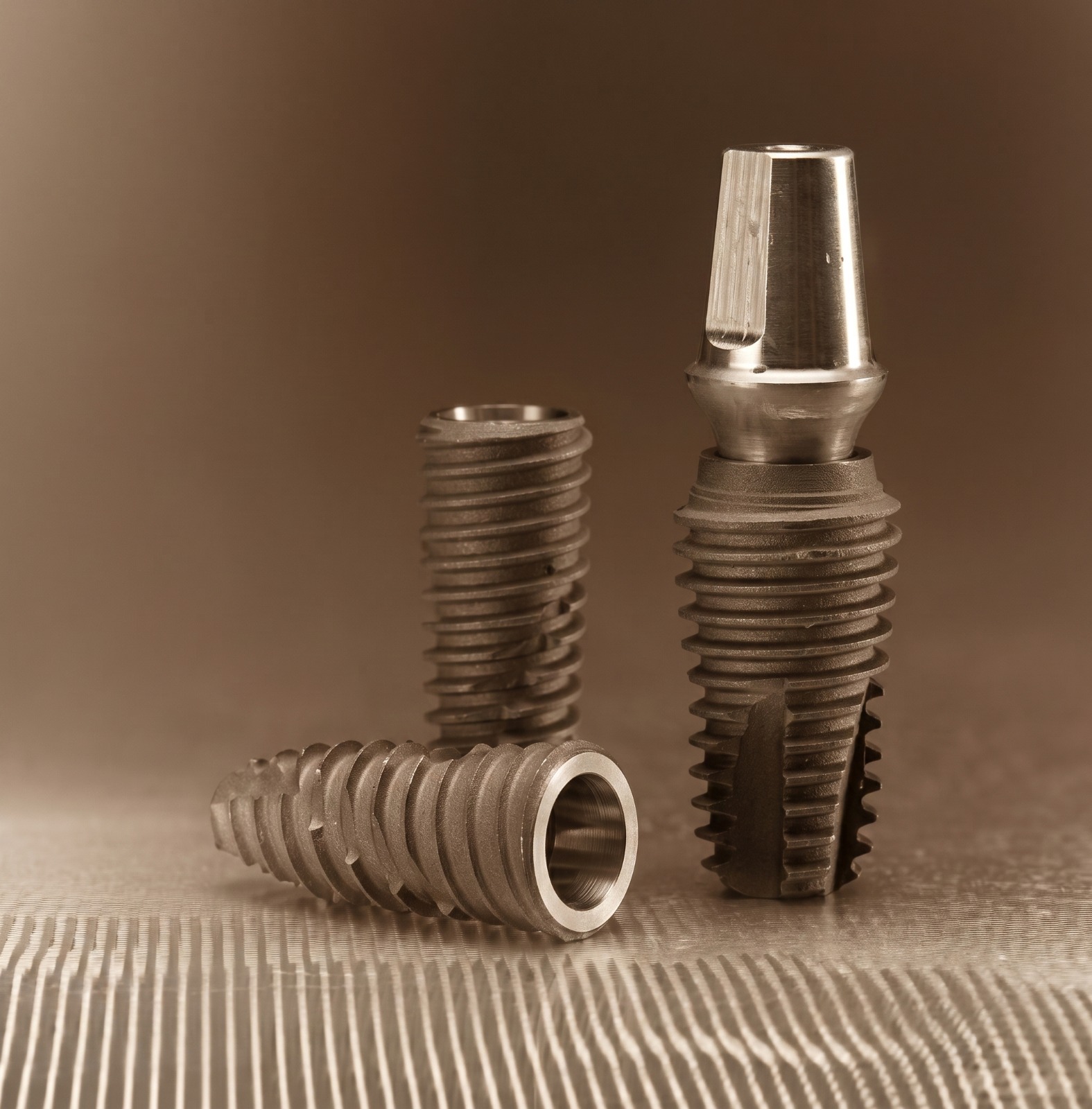
Magnesium Implants for Bone Healing & Natural Resorption
Promotes Osteogenesis
As a resorbable material, magnesium naturally promotes osteogenesis and aids in bone healing. Rather than acting as a permanent foreign body, the implant works alongside the body's own repair process, encouraging new bone formation at the treatment site as it gradually resorbs.
Supports Angiogenesis
Magnesium implants simultaneously support angiogenesis for better vascular integration. Improved blood vessel formation around the implant helps deliver the oxygen and nutrients that healing tissue depends on, contributing to a more complete and reliable recovery.
Bone-Like Mechanical Properties
Thanks to its bone-like mechanical properties, Mg implants minimize stress shielding and distribute loads more effectively. By behaving mechanically like natural bone, the implant avoids over-protecting the surrounding structure — supporting faster recovery and enhanced patient outcomes.
How Mg Implants Work
Placement
The magnesium implant is placed, immediately providing bone-like structural support.
Bone Healing
Magnesium promotes osteogenesis and supports angiogenesis for vascular integration.
Gradual Resorption
The implant degrades over time, with byproducts safely metabolized by the body.
No Removal Surgery
Once healing is complete, no revision surgery is needed to remove the implant.
Magnesium (Mg) Implants for Comfort & Faster Recovery
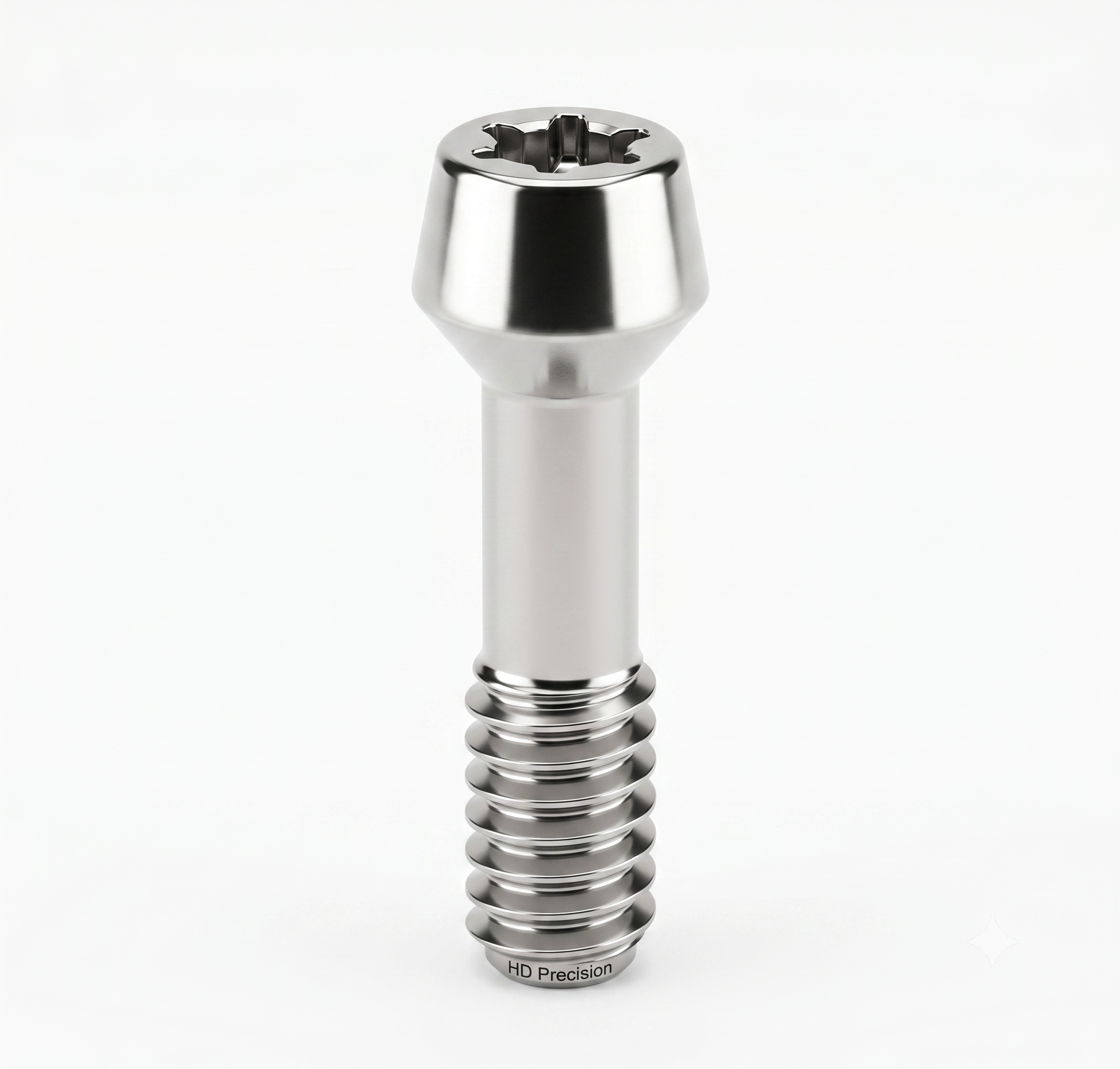
In contrast to conventional metal implants that remain in the body and may require revision surgeries, our magnesium-based solutions gradually degrade over time, eliminating the need for future removal.
This approach not only boosts patient comfort but also reduces surgical complications. By removing the second procedure entirely, patients face fewer interventions and a smoother overall treatment journey.
By offering a lighter alternative that closely mimics natural bone, our Mg implants bring a holistic solution — addressing mechanical demands, biological compatibility, and patient quality of life in a single, forward-thinking implant design.
No revision surgery for removal
Magnesium implants gradually degrade over time, eliminating the need for future removal and reducing surgical complications.
Inherently biocompatible material
Magnesium is biocompatible, allowing its byproducts to be safely metabolized by the body throughout the resorption process.
Magnesium Implants for Effective Load Distribution
Thanks to its bone-like mechanical properties, magnesium minimizes stress shielding and distributes loads more effectively than conventional metal implants. The result is a more natural mechanical environment for the surrounding bone during healing.
By offering a lighter alternative that closely mimics natural bone, our Mg implants reduce the mechanical mismatch that can occur with stiffer permanent implants. This contributes to faster recovery and enhanced patient outcomes, addressing mechanical demands without compromising biological compatibility.
This balance of strength, weight, and resorbability makes magnesium a forward-thinking choice for both dental and orthopaedic applications — supporting bone while it heals, then safely stepping aside.
Where Magnesium Implants Deliver Real Value
Our magnesium (Mg) implants are designed to excel in both dental and orthopaedic applications, bringing the benefits of resorbability and bone-like behaviour to a range of clinical needs:
Dental ImplantsResorbable Solutions
Resorbable magnesium implants for dental use that promote bone healing and gradually degrade, removing the need for revision surgery.
Orthopaedic ImplantsBone-Like Mechanics
Implants that minimize stress shielding and distribute loads effectively, mimicking natural bone for enhanced patient outcomes.
Resorbable DevicesBiocompatible Degradation
Magnesium-based devices that degrade gradually, with byproducts safely metabolized — improving comfort and reducing complications.
Magnesium's ability to support healing and then resorb makes it a meaningful step forward for implant design. Medoja Bio Pvt. Ltd. is developing these solutions to address mechanical demands, biological compatibility, and patient quality of life together.
The Future of Magnesium in Implant Design
By offering a lighter alternative that closely mimics natural bone, magnesium implants point toward a future where implants support the body and then safely step aside — a forward-thinking direction for both dental and orthopaedic care.
Resorbable Dental Implants
Advancing magnesium implant designs for dental applications that heal bone and resorb naturally.
Bone-Like Orthopaedic Devices
Refining implants that minimize stress shielding and distribute loads like natural bone.
Fewer Surgeries, Better Comfort
Eliminating removal surgery to boost patient comfort and reduce surgical complications.
As development continues, magnesium (Mg) implants bring a holistic solution — addressing mechanical demands, biological compatibility, and patient quality of life in a single implant design. As part of this innovation, Sustainable Biomaterials remain central to safer, more thoughtful medical solutions.
Frequently Asked Questions
01 What are magnesium (Mg) implants used for?
Medoja is developing magnesium (Mg) implants designed to excel in both dental and orthopaedic applications. They are intended to support bone healing while the implant is in place, then gradually resorb.
02 What does it mean that the implant is resorbable?
Unlike conventional metal implants that remain in the body permanently, magnesium-based solutions gradually degrade over time. This eliminates the need for future removal and the revision surgeries that permanent implants can require.
03 Is magnesium safe to use inside the body?
Yes. Magnesium is inherently biocompatible, allowing its byproducts to be safely metabolized by the body as the implant resorbs.
04 How do Mg implants help with bone healing?
As a resorbable material, magnesium naturally promotes osteogenesis and aids in bone healing, while simultaneously supporting angiogenesis for better vascular integration.
05 What advantage do magnesium implants have over conventional metal implants?
Thanks to bone-like mechanical properties, Mg implants minimize stress shielding and distribute loads more effectively. They are also a lighter alternative that closely mimics natural bone, contributing to faster recovery, improved comfort, and fewer surgical complications.